 Key Largo Snorkeling Guide
Molasses Reef Snorkeling
Molasses reef snorkeling is the version of Key Largo most postcards are quietly standing in for. It is the most-visited reef in the Florida Keys sanctuary - a shallow spur-and-groove coral system six to seven miles offshore, named for a barge of molasses that wrecked on it, and worked daily by the same Key Largo snorkel boats this site compares. This guide covers the reef itself: what the terrain looks like from the surface, what lives on it, which boats actually stop, and how conditions behave through the year. Whether you meet it from a beginner boat or a private charter, the reef reads the same: shallow, legible, and crowded with exactly the fish the brochures promise. The boats reach it in about half an hour; the guide below covers the other ninety-five percent of what a Molasses day involves.
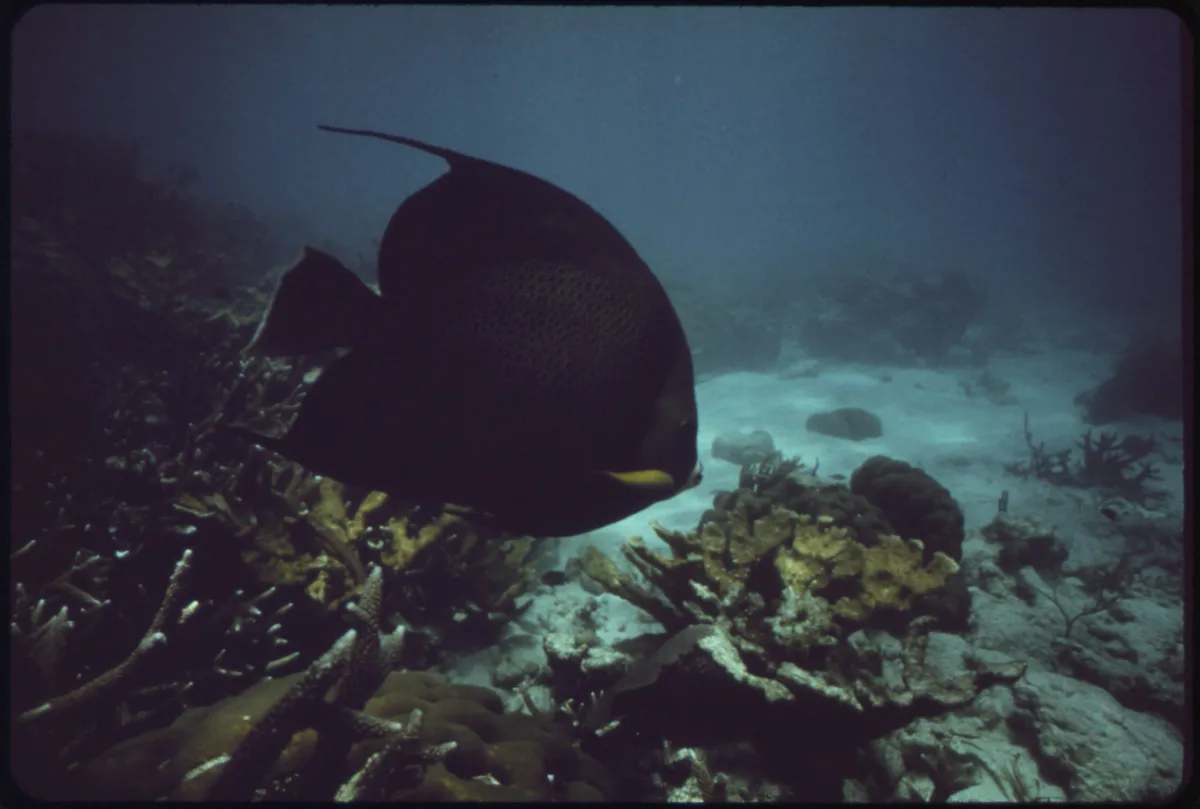
Spur-and-groove terrain on Molasses: coral ridges running seaward, sand channels between, coral rising within feet of the surface.
Quick answer Why this reef is the postcard, what the water does, and which boats put you on it
Molasses Reef is the most-visited reef in the Florida Keys National Marine Sanctuary: a shallow spur-and-groove system about six to seven miles offshore from Key Largo, where coral ridges rise to within 10-15 feet of the surface and snorkelers float the grooves between them. It snorkels genuinely well - big coral heads, dense fish life, turtles and rays on the sand flats - and it sits first in the reef rotation of boats like Sundiver and the Reefhouse catamarans. The catch is exposure: the reef faces open Atlantic, so it needs calm mornings - the best-time windows apply in full. No boat promises Molasses by name; crews pick the day's reef for conditions, and Molasses is the reef they pick when the sea allows.
Key takeaways
- Pack for the surface too - the what-to-bring list covers the towel most boats skip.
Why Molasses Is the Signature
Three facts separate Molasses from the dozen named reefs off Key Largo. Scale: it is a large reef system - a mile-plus of continuous coral habitat with dozens of mooring buoys, not a single patch - which is why it absorbs the sanctuary's heaviest traffic without feeling crowded underwater; the boats spread along the mooring field and rarely share water. Terrain: the spur-and-groove structure - coral ridges running out to sea like fingers, with sand grooves between - is the most snorkeler-legible layout in the Keys: you float a groove, the walls of coral rise on both sides, fish concentrate along the edges, and the whole architecture reads from the surface. Shallow tops rise to within 10-15 feet of the surface; the grooves run deeper, to 30 feet and beyond seaward, where the scuba traffic works.
Character: Molasses carries the reef-line reputation for big-fish encounters - the turtle crossings, the southern stingrays on the sand, the schoolmaster snapper clouds, the occasional reef shark patrol on the seaward edge. The name itself is a maritime joke that stuck: an old barge carrying molasses wrecked on the shallows and sugared the water, and the reef has answered to it ever since. A NOAA water-quality research tower - locally "the Canon monument" after its camera housing - rises at the reef's edge; when you can see the tower's silhouette from the surface, you are on Molasses proper. NOAA's Florida Keys sanctuary pages document the site, its mooring field and its protection rules.
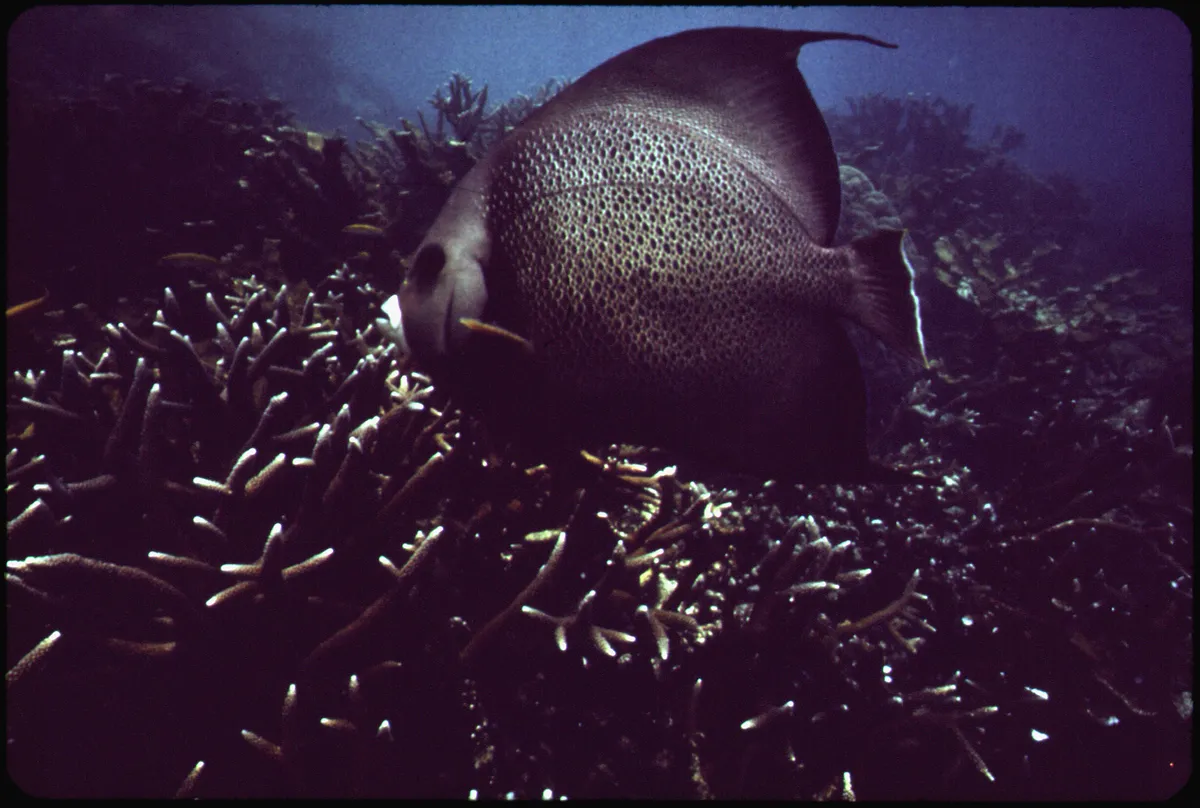
The fish traffic Molasses is known for: schooling snapper and grunts over the coral ridges.
What You'll See: The Resident Cast
Molasses snorkels like a stock list of the tropical Atlantic. In the coral: parrotfish (the reef's gardeners, crunching coral and sanding the beach behind them), blue tang in loose herds, stoplight and redband snapper, french and schoolmaster grunts in the schools that give the shallows their motion, and bluehead wrasse working the cleaning stations. On the sand flats between spurs: southern stingrayshalf-buried at the edges, starfish on quiet days, and the green and loggerhead turtles that commute along the reef line in season - the sightings that make reviews.
The big-water regulars patrol the seaward drop: barracuda (uninterested, ever-present), spotted eagle rays in formation when the season runs, nurse sharks under ledges by day, and the blacktip and reef sharks that reviews mention more often than photos capture. Coral itself - elkhorn and staghorn thickets in the restoration zones, great star coral boulders, sea fans flexing in the swell - is the reason the fish are here, and the sanctuary rules exist for exactly it: no standing, no touching, no anchoring on coral; the mooring buoys and the crews handle the rest.
One honesty note the fish guides skip: sargassum and luck. Summer can drift mats of sargassum weed across the surface, and marine life moves - a slow week on Molasses is a real thing, and the crews answer it by moving to another reef, which is the flexibility the comparison listings are built around.
Which Boats Snorkel Molasses
No Key Largo boat sells Molasses by name - the sanctuary's conditions-first culture and the mooring-field lottery make that promise unkeepable - but the reef sits at the top of the working rotation for several listings in our comparison. Sundiver names Molasses first in its reef choices; the Pirates Cove catamarans work the Molasses area per their listing and reviews; and the private charters reach it on request when the sea allows. The table puts the practical routes together.
| Listing | Molasses status | From-price | Notes |
|---|---|---|---|
| Sundiver beginner tour | Named first in the reef rotation | $75 | One reef per trip - Molasses on the right day, unhurried hour on it |
| Half-day catamaran | Working area per listing & reviews | $75 | Two stops; towels and vest included |
| 4-hour GYG trip | Protected-reef rotation | $81 | Longest water day; mangrove backup if the open sea is rough |
| Two-reef snorkel tour | Deeper-reef circuit with statue pairing | $78 | Chooses between Molasses-type reefs and Dry Rocks by conditions |
| Private charters | On request, sea permitting | $535-$600 | Ask the captain the night before; calm mornings only |
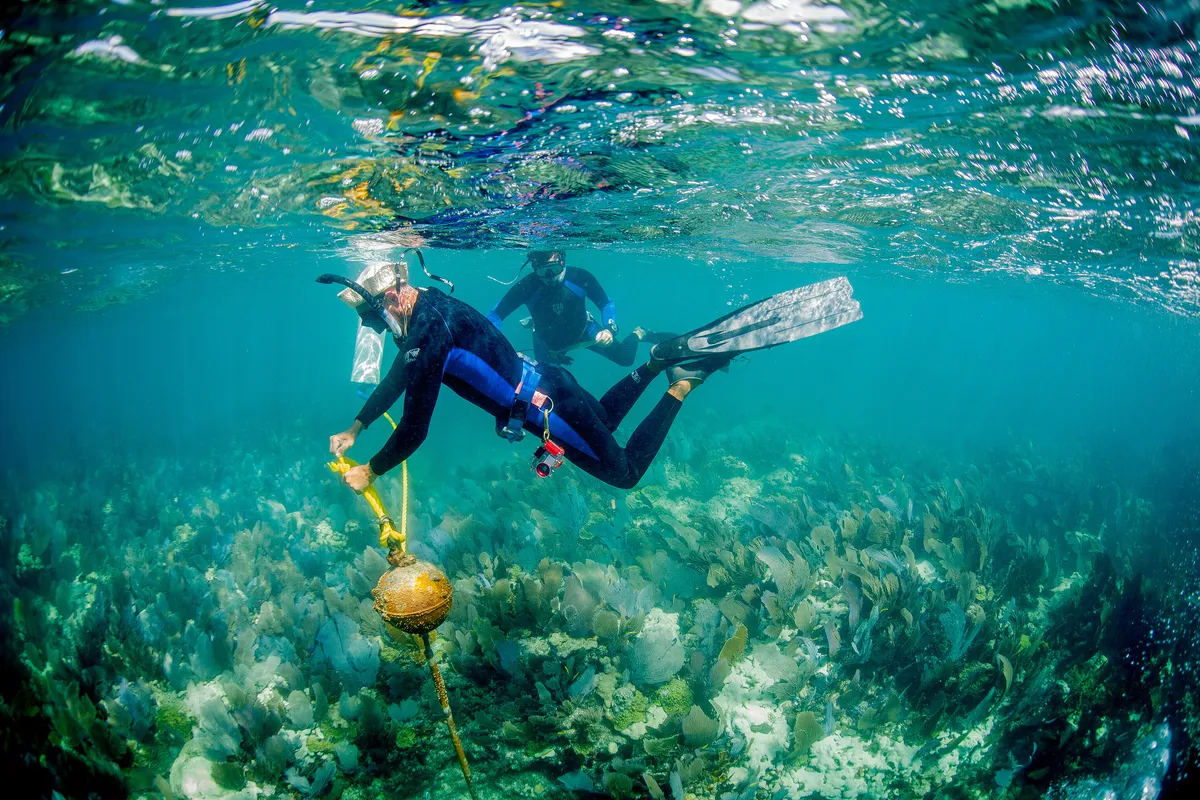
The mooring field: boats tie to buoys, never anchor on coral - the sanctuary rule that keeps Molasses coral intact under its traffic.
Conditions: How Molasses Behaves by Season
The calm months - late spring (May-June) and autumn (October-November) - are Molasses at specification: morning glass, visibility into the 50-80 foot range on the good days, and the whole mooring field accessible. Summer snorkels warm (84-87°F) with the caveat that afternoon build-ups bring the chop and the sargassum drift; the reef still runs daily, but the best water is the 8-9 AM boats' by a widening margin. Winter splits into front-days and between-days: behind each cold front the sea runs 3-5 feet on this exposed line and the boats work the sheltered nearshore reefs instead; in the calm spells between fronts, Molasses delivers the year's clearest water to the few boats out.
Current is the reef's one technical note. Molasses sits in the tidal flow between the Florida Current and the bayside, and the seaward edge carries a mild drift on most days - noticeable, manageable, and the reason crews brief "stay near the boat." Snorkelers new to mild current should start up-current of the moored boat and drift back along the spur; the first-timer guide walks the whole skill. And the mooring etiquette doubles as a visibility note: boats that arrive late anchor in the sand area and swim in, which on busy days means a longer surface swim - the 8:15-9 AM departures moor closest, one more reason the first slot wins.
Snorkeling vs Diving Molasses
Molasses carries a famous dive reputation - the deep grooves, the Spiegel Grove wreck offshore, the wall of dive boats at 10 AM - and snorkelers sometimes wonder if they are getting the shallow version of the reef. The honest answer: the shallow version is the reef. Coral on Molasses is densest in the top 20 feet; the fish concentrate where the light is; and the spur-and-groove architecture exists precisely in the snorkeling band. Divers get the seaward grooves, the bigger groupers and the wreck - a genuinely different dive, but not a better reef, just a deeper one.
The practical differences run the other way. Snorkelers see more terrain per minute (the whole spur-and-groove pattern reads from the surface), need no certification, and pay half to a third of the dive charter's rate. Divers get bottom time at the fish's eye level and access to the deep edge. For mixed groups - a diver and four snorkelers, say - the private charters solve the split by carrying both. For everyone else, the comparison listings that reach Molasses do it as snorkelers, on the shallow tops where the reef shows best.
Practicalities: Getting There and Back
Reaching Molasses means a boat, full stop - six to seven miles offshore is beyond swimming, wading or casual paddling, and the nearest shore put-ins (Pennekamp's Cannon Beach) are warm-up water, not the reef. Book through one of the listings in the table above; all carry free cancellation to 24 hours, and the crews make the final reef call at the dock because conditions, not wishes, pick the site. Timing: the morning slots ride the calm - the best-time guide explains why that is structural. Gear: every boat in the comparison includes core equipment; the exceptions (Sundiver's snorkel, the towels) are listed per listing. Etiquette on the reef: float the grooves, keep fins up over shallow coral, never stand on anything living, and take the seasickness tablet before the ride out - Molasses is a big, beautiful, open-ocean place, and it deserves a stomach that enjoys it.
The Mooring Field, Explained
The yellow buoys you will see from the boat are the reef's management system, and understanding them explains half of what a Molasses day looks like. The sanctuary installed the mooring field so boats never anchor on coral: captains tie to the buoys - first-come, first-served - and the reef underneath keeps its structure under decades of heavy traffic. The field is large (dozens of buoys along the reef's mile-plus), which is why Molasses absorbs the most visitors of any reef in the Keys without feeling like a swim-mall: the boats spread along the line, each on its own buoy, each group snorkeling its own stretch of spur-and-groove.
The consequences travellers actually notice. Early boats moor best: the closest-to-the-coral buoys go first, so the 8-9 AM departures swim shortest distances to the reef - the best-time rules in physical form. Late or busy days mean a longer surface swim from the sand anchoring area beside the reef, which is a real factor for weaker swimmers - one more reason nervous snorkelers book mornings or the shallow formats. And the buoys are why a Key Largo boat day has no anchor-line drama: the reef you swim over is intact because the boats on the surface are tied to hardware, not to coral.
Molasses by Kayak and Other Myths
"You can paddle out to Molasses." Technically, on the flattest summer dawn, a very strong paddler could cover the six to seven miles - and then have nothing left for the swim and a return against the afternoon wind that the best-time guide explains. Nobody recommends it; the kayaking that Key Largo actually offers lives in the leaward mangrove creeks, which are excellent and a different sport. "The reef is named for its brown color." No - the molasses barge of the wreck story owns the name, and the reef itself is famously colorful. "Molasses is the deep reef." The reverse: its shallow tops are the snorkeling band, rising within 10-15 feet of the surface; the diving happens on its seaward grooves and the deeper sites beyond. "It's too crowded to enjoy." The mooring field spreads the traffic along a mile of reef; on the busiest days the water still reads as pods of snorkelers scattered along coral, not a swim party - and the first-morning boats get the emptiest water of all. "One reef is as good as another." The crews' conditions-first reef-picking exists precisely because they are not: Molasses is the biggest, most fish-dense, most forgiving of the named reefs - which is why every captain's face lights up when the forecast lets them pick it.
A Molasses Swim, Described
For the traveller deciding whether the famous reef justifies the boat ride, one swim, narrated honestly. You roll off the platform into water the colour of bottled glass, and the first thing you hear is the parrotfish - an audible crunching as they graze the coral, loud enough to locate with your eyes closed. Below you, the spur-and-groove structure is legible like a map: coral ridges running your way, sandy channels between them, the whole system catching the morning light.
A school of grunts parts around your fins; a barracuda holds station at the edge of your vision, uninterested; somewhere over the next spur a turtle is eating, and the snorkelers already there are pointing it out in the wordless way that makes everyone swim faster. Twenty minutes in, the mild current you were briefed about carries you gently along the groove - this is the drift the crews mean when they say stay near the boat, and it is pleasant, not alarming. The swim ends the way the best ones do: slowly, with a last float over a coral head the size of a car, sea fans flexing, blue tang Herding their way underneath.
Then the ladder, the towel, the crew's count - and the ride home where everyone talks at once. That is the postcard, described. The comparison table holds the boats that run it.
Molasses in Every Season: A Crew's-Eye Calendar
The reef's year, as the boats that work it live it. Winter (Dec-Feb): Molasses snorkels between fronts - the calm spells bring the year's best visibility to a reef with almost no company; the boats that go run near-empty and the crew calls it the locals' season. Spring (Mar-Apr): warming water, building bait balls, and the first eagle-ray formations of the year; spring break fills the boats but the morning reef stays calm. Early summer (May-Jun): the signature window - glass mornings, turtles commuting, the mooring field accessible on almost every first departure; this is when the postcard photos are taken. Late summer (Jul-Aug): warmest water, sargassum drifting through in patches, afternoon storms stacking daily - the first-morning boats get the classic reef, the early-afternoon boats gamble. Autumn (Sep-Oct): September's storm watching gives way to October's calm highs - the second-best window of the year and the emptiest. November: cooling, quiet, turtle traffic still moving; the crews' own favourite month, when they say so.
The constant under the calendar: Molasses is the reef the captains pick when conditions let them pick. Whatever your month, the morning slot and a flexible booking give you the best odds of being aboard when they do - the comparison holds the seven ways to do that.
Molasses Reef Questions
Is Molasses Reef good for snorkeling?
It is the best-known snorkeling reef in the sanctuary: coral rising within 10-15 feet of the surface in spur-and-groove formation, dense resident fish life, and regular turtle, ray and shark sightings. Its only demand is calm weather - it faces open Atlantic, so it snorkels best on the morning boats in the calm-season windows.
How far offshore is Molasses Reef?
About six to seven miles southeast of Key Largo's snorkel docks - a 20-30 minute run by the reef boats. There is no shore access; every visit starts at a marina.
Is Molasses Reef good for beginners?
Yes, with the sea-state caveat. The shallow tops and legible spur-and-groove terrain make it easy to read and hard to get lost on, and the boats keep crew in the water. The exposure is the variable: nervous open-water snorkelers should pick calm-season mornings, or choose the sheltered shallow-reef format first.
Where can you snorkel in Key Largo for free?
Cannon Beach at John Pennekamp Coral Reef State Park - included with the park's per-vehicle entrance - offers free-ish, shallow, protected shore snorkeling in seagrass and rock patches. It is a warm-up, not the reef: everything past it lies six miles offshore and needs a boat.
Why is it called Molasses Reef?
For a molasses barge that wrecked on the shallows and, by the story, sweetened the water. The name stuck to what is now the sanctuary's most-visited reef - and the old wreck site is one of the dive points on its edge.
How long is the swim time at Molasses Reef on a typical tour?
On a two-stop trip, expect roughly 40-50 minutes in the water at each stop, Molasses typically being one of them when conditions allow. Single-reef formats can give the better part of an unhurried hour. Four-hour listings stretch the day but not usually the per-stop swim - the cap is comfort and current, not the clock.
Can beginners handle Molasses Reef?
Yes on a calm morning: the shallow tops are easy to read, the moored boat is never far, and crews swim watch. The honest caveat is exposure - the reef faces open Atlantic, so a nervous beginner should choose the first departure, a calm-season window, or build up on a sheltered shallow-reef trip first. One more beginner note: the sand channels between spurs are the rest stops - a tired snorkeler drifts to the channel edge, floats, and rejoins along the next ridge, which is the low-drama way to pace a first big reef.